This article is a simple description of the Indian vegetarian food systems.
Shri Shankaracharya, during his Bharata Yatra (Indian Caravan) visit, found that some parrots were repeating the Vedic verses like human beings. Shringeri Goddess Sharada Mata is holding a parrot in one hand. There is a symbolic message. A parrot is a pure vegetarian bird. Reciting Vedic Verses is possible, like the natural singing of parrots. This implies that in nature, vegetarian food systems and Vedic verses are correlated.
Hanuman, or Anjaneya, is depicted in the Valmiki Ramayana as a member of the monkey species and a pure vegetarian by nature. Some animals, like cows, horses and elephants, always eat only vegetarian foods. But in this nature, due to ‘Karma Siddhanta’ or maintaining the balance of living species, a few of them are created as non-vegetarians, eating one another or adopting mixed-type diets.
Human beings, by nature, are in the habit of eating vegetarian foods to live, but after baking with fire, some people also eat non-vegetarian foods. In India, some people eat only vegetarian foods.
How are the words diet and deity mutually linked in the Indian context?
Diet means the selective habits of food. This article highlights some of the special features of vegetarian food systems. Hence, alcohol or non-vegetarian foods are not described here. In India, people worship idols, and there are fixed codes of conduct for worshipping idols of Gods. Offering the food to God is a routine part of many families in India. It is a regular practice, and done even today, called as Nitya Naivedya. The worshipped divine idol is called as deity. Thus, diet and deity are always mutually linked.
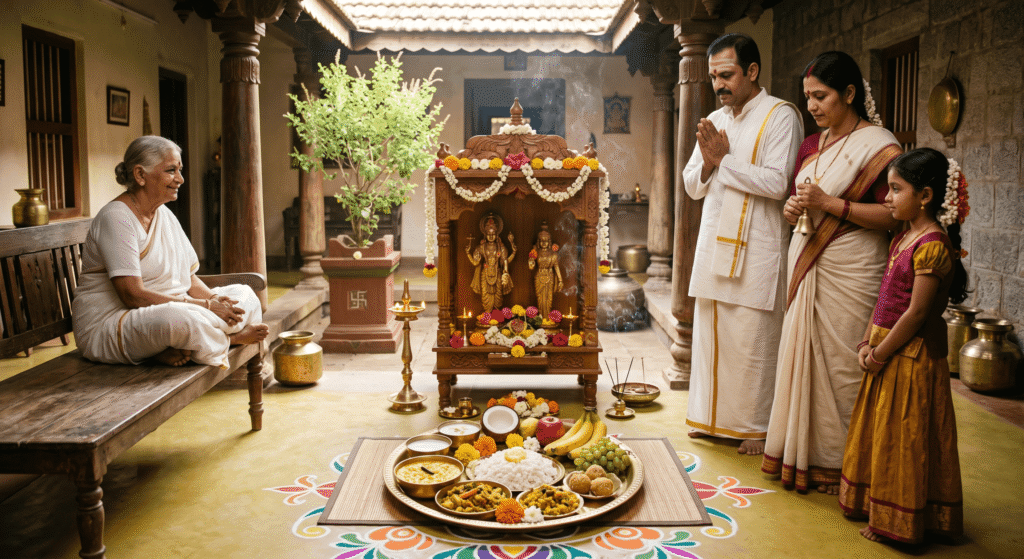
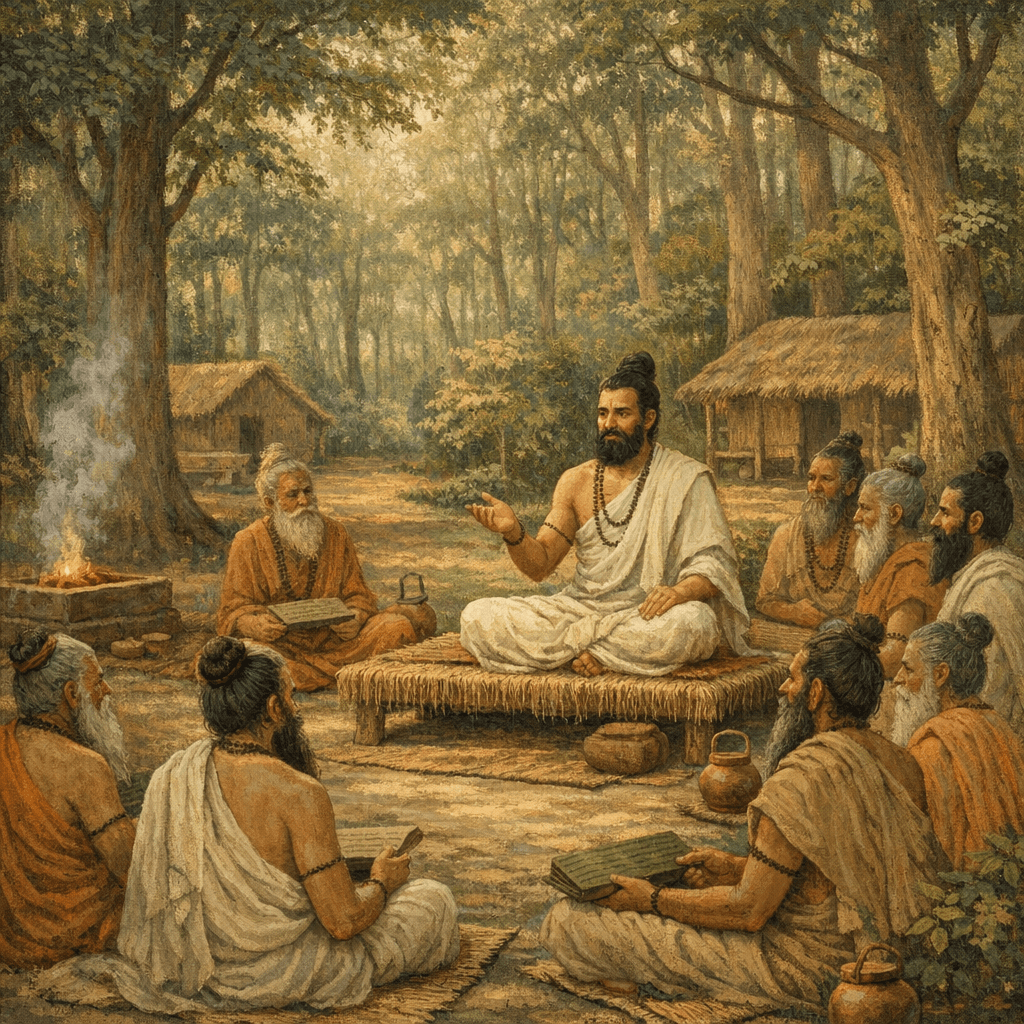
In some houses, after placing the diet before the deity in the Puja room, the conch is blown. The God of Thirupati is referred to as Venkatramana or Venkateshwara. Sweet Laddu is offered as a diet to his deity, and it is called Naivedya. After offering and completion of reciting the relevant ‘Manthras’, the God, being pleased, gifts it back to human beings; it is called as Prasada and later distributed to all devotees present before him. So, laddu is the diet of the deity. The words of offering and all the codes and conduct of the Indian deity are already there in the Sanskrit language, in Vedic Verses and the team of priests used to sing them musically always.